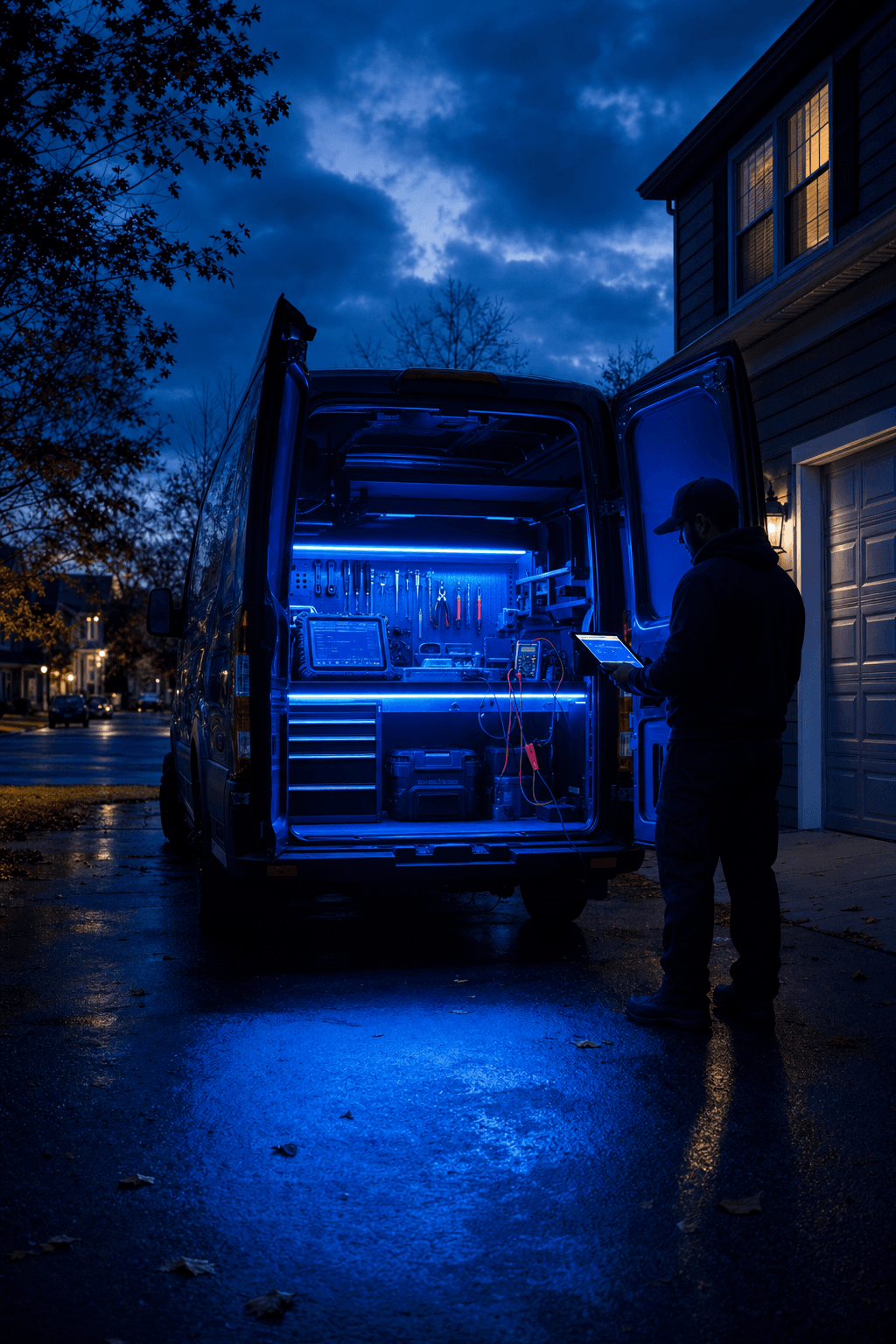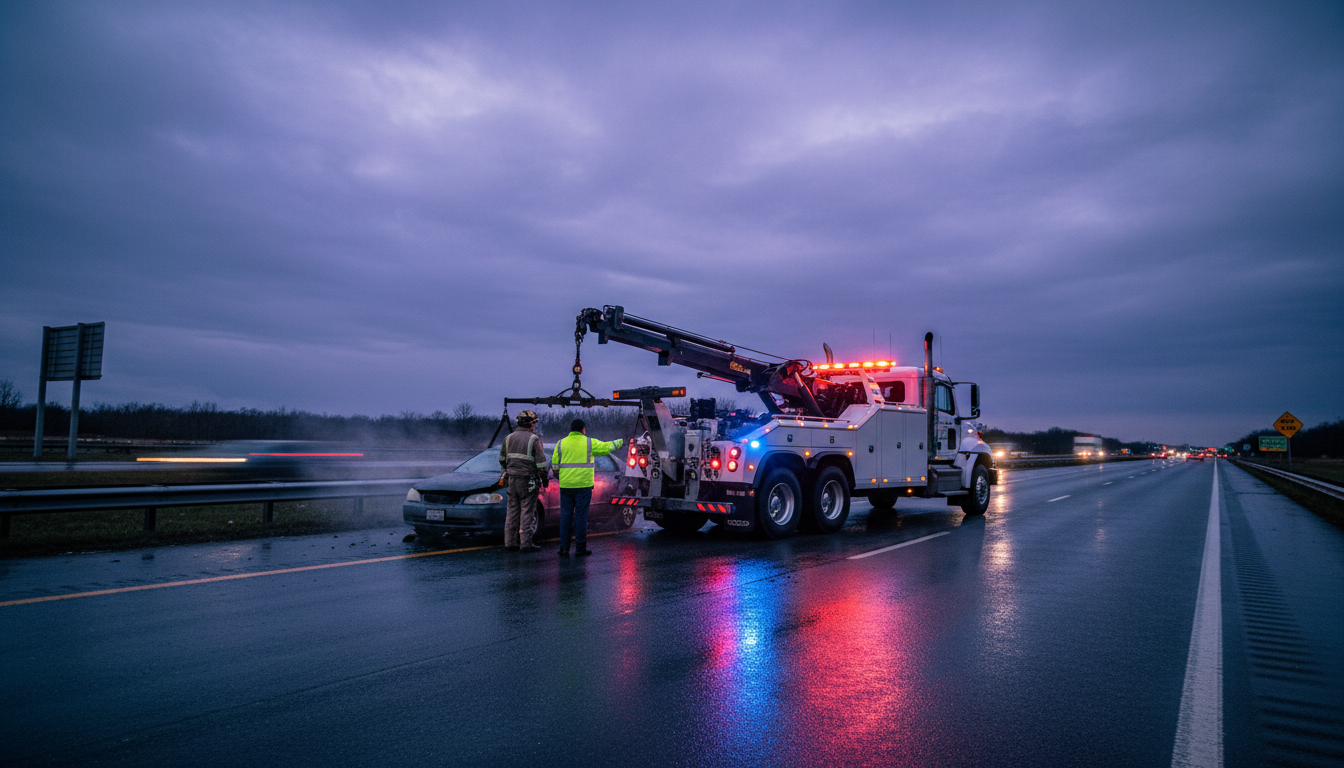
If your car broke down what to do is safely pull over to the shoulder, activate your hazard lights, and stay inside the vehicle with your seatbelt fastened. You should then call for professional roadside assistance or emergency services and wait for help to arrive rather than attempting repairs on a busy highway.
There is never a convenient time for your engine to sputter out, but stalling in the middle of the Hampton Roads Bridge Tunnel or along a narrow shoulder on I-64 is particularly stressful. The dense traffic and limited space in coastal Virginia turn a mechanical failure into a high stakes safety situation immediately. Understanding how to react can mean the difference between a minor delay and a dangerous collision. In this guide, we provide expert protocols for navigating local highway breakdowns, from securing your vehicle on a busy bridge to identifying whether you have a dead battery or a serious engine failure. You will learn how to choose the right service to get back on the road faster, including why a mobile mechanic is often the most efficient solution for Virginia Beach drivers. We also detail the essential items for your local emergency kit.
Immediate Safety First: How to Handle a Breakdown on Busy Virginia Roads
The first 60 seconds after a mechanical failure are the most critical for your safety. If you feel the engine sputter or notice a sudden loss of power on high-speed corridors like I-64 or I-264, your immediate goal is to get the vehicle off the travel lanes. Activate your turn signal early to alert other drivers, then coast toward the right shoulder. Avoid hard braking, as this can cause a trailing vehicle to rear-end you, especially in the dense, unpredictable traffic common throughout the 757 area.
Virginia law requires drivers to move over or slow down for stationary vehicles displaying hazard lights, but you cannot rely solely on the compliance of others. Many drivers on the Peninsula and Southside may be distracted or unable to merge quickly during peak hours. Once you reach the shoulder, turn your wheels away from the road and engage the emergency brake. If you are on a narrow shoulder with high-speed traffic passing inches away, stay inside the vehicle with your seatbelt fastened and doors locked. The vehicle’s steel frame provides your best protection against a secondary collision.
Exit the vehicle only if there is an immediate threat of fire or smoke. If you must leave the car, always use the passenger-side door to put the width of the vehicle between yourself and the traffic flow. Stand well away from the roadway, preferably behind a guardrail if one is available. Once you are in a safe position, you can begin coordinating towing and roadside assistance in Hampton Roads to move the vehicle to a secure location. Knowing your car broke down what to do next involves professional mobile diagnostic services to identify the root cause of the failure without the need for an immediate, expensive shop visit.
Navigating Hampton Roads Bridge Tunnels and Highway Shoulders
The complexity of the 757 road system increases significantly when you enter the Hampton Roads Bridge-Tunnel (HRBT), the Monitor-Merrimac Memorial Bridge-Tunnel (MMMBT), or cross the High-Rise Bridge in Chesapeake. If your car broke down what to do depends entirely on your immediate surroundings. Tunnels lack traditional shoulders, making a mechanical failure an urgent traffic management event. VDOT monitors these crossings 24/7 with cameras and sensors. If you lose power inside a tunnel, stay in your vehicle and follow the instructions displayed on the overhead electronic signs immediately. Tunnel personnel and VDOT Safety Service Patrols are often dispatched before you even place a call.
On the High-Rise Bridge or the Berkley Bridge, the narrow lanes and high elevations make exiting the vehicle extremely dangerous. VDOT patrols provide complimentary assistance to move disabled vehicles to a safer location, but they do not perform complex repairs. Once the vehicle is relocated to a safe turnout or the nearest exit, you can arrange for towing and roadside assistance in Hampton Roads to address the mechanical issue. Professional mobile diagnostic services are particularly useful here, as they can meet you at a shopping center parking lot or side street just off the highway to determine if the issue is a simple fix or requires a starter and alternator replacement. Following the directions of bridge and tunnel authorities ensures the safety of everyone on these critical corridors.
Assessing the Problem: Is it a Dead Battery or Something More Serious?
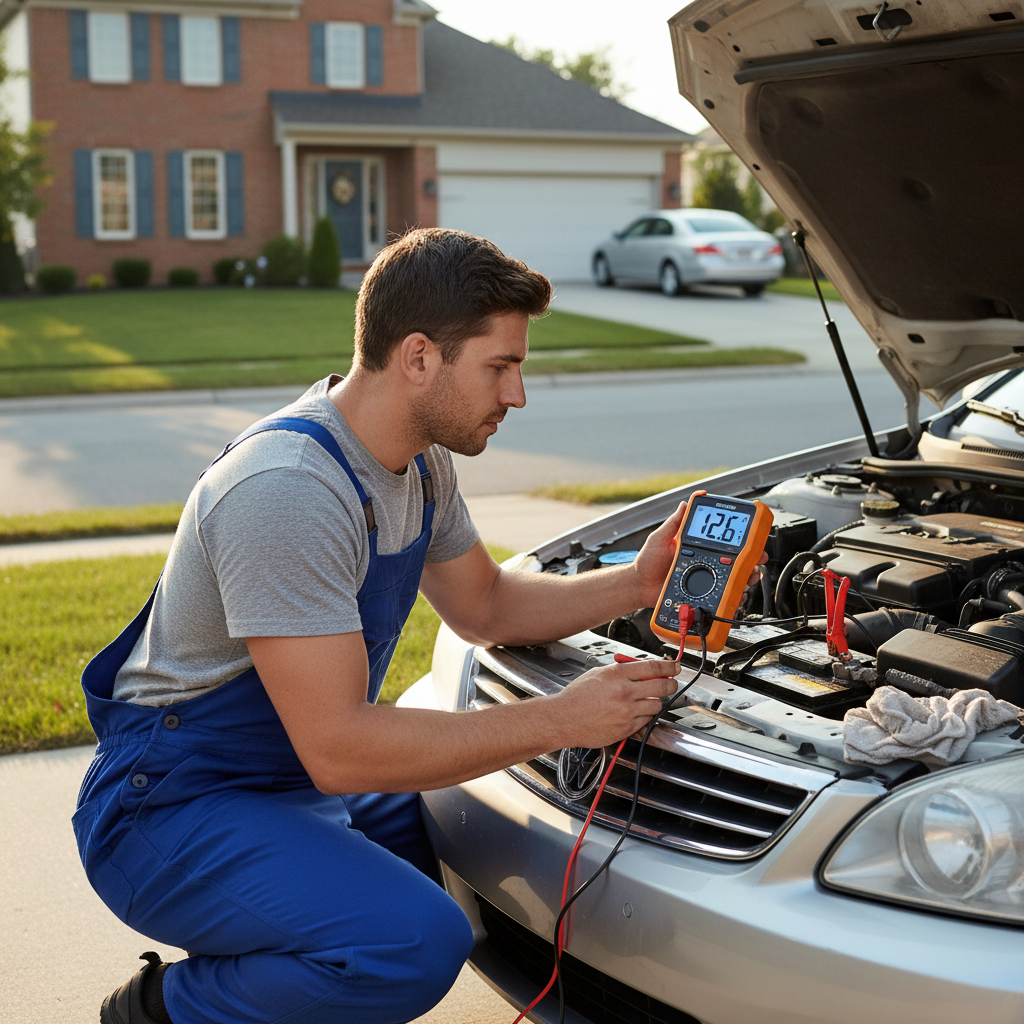
Once you have successfully navigated your vehicle to a safe location, the next step in determining why your car broke down what to do involves a logical assessment of the symptoms. A vehicle that refuses to start is most commonly suffering from a battery, starter, or alternator failure; however, each presents distinct warning signs that dictate the necessary repair path.
If you turn the key and hear a rapid-fire clicking sound while noticing the interior dome lights are dim or flickering, the battery likely lacks sufficient voltage to engage the starter solenoid. In contrast, if you hear a single, sharp click or absolutely nothing at all, the issue often lies with the starter motor itself. It is also important to realize that a battery can be too damaged to jump start. A battery with a dead cell or an internal short will not hold enough surface charge to turn the engine over, even when connected to a running vehicle or a portable power pack.
Symptom | Likely Culprit | Diagnostic Indicator |
|---|---|---|
Rapid clicking, dim lights | Battery | Low voltage at rest |
Single loud click, no crank | Starter | Voltage reaches starter but no rotation |
Stall while driving, red battery light | Alternator | System voltage drops below 12.6V while running |
No lights, no sound, no power | Main Fuse/Terminals | Blown fuse or heavy terminal corrosion |
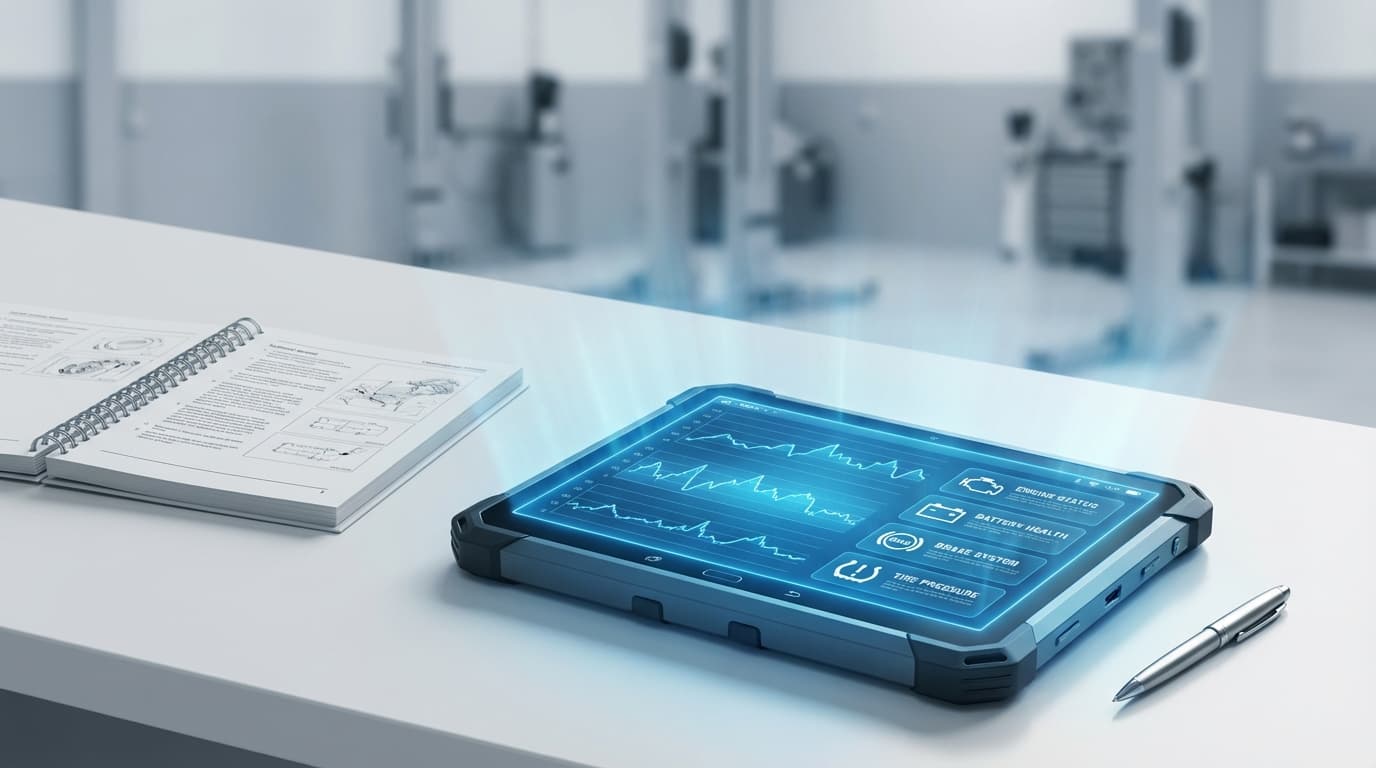
If the vehicle stalled while you were driving through Chesapeake or Norfolk, the alternator is the probable suspect. A failing alternator fails to recharge the battery while the engine runs, eventually draining the system until the ignition coils or fuel injectors lose power. Professional mobile diagnostic services utilize specialized equipment like carbon pile load testers and multimeters to pinpoint the exact failure point. This methodical approach prevents the practice of part-hanging, which is the expensive habit of replacing components based on a guess. By testing the voltage drop and checking the health of the charging system, a technician can confirm if you need a starter and alternator replacement or a simple terminal cleaning, ensuring the root cause is addressed correctly the first time.
Who to Call: Mobile Mechanic vs. Traditional Towing Service
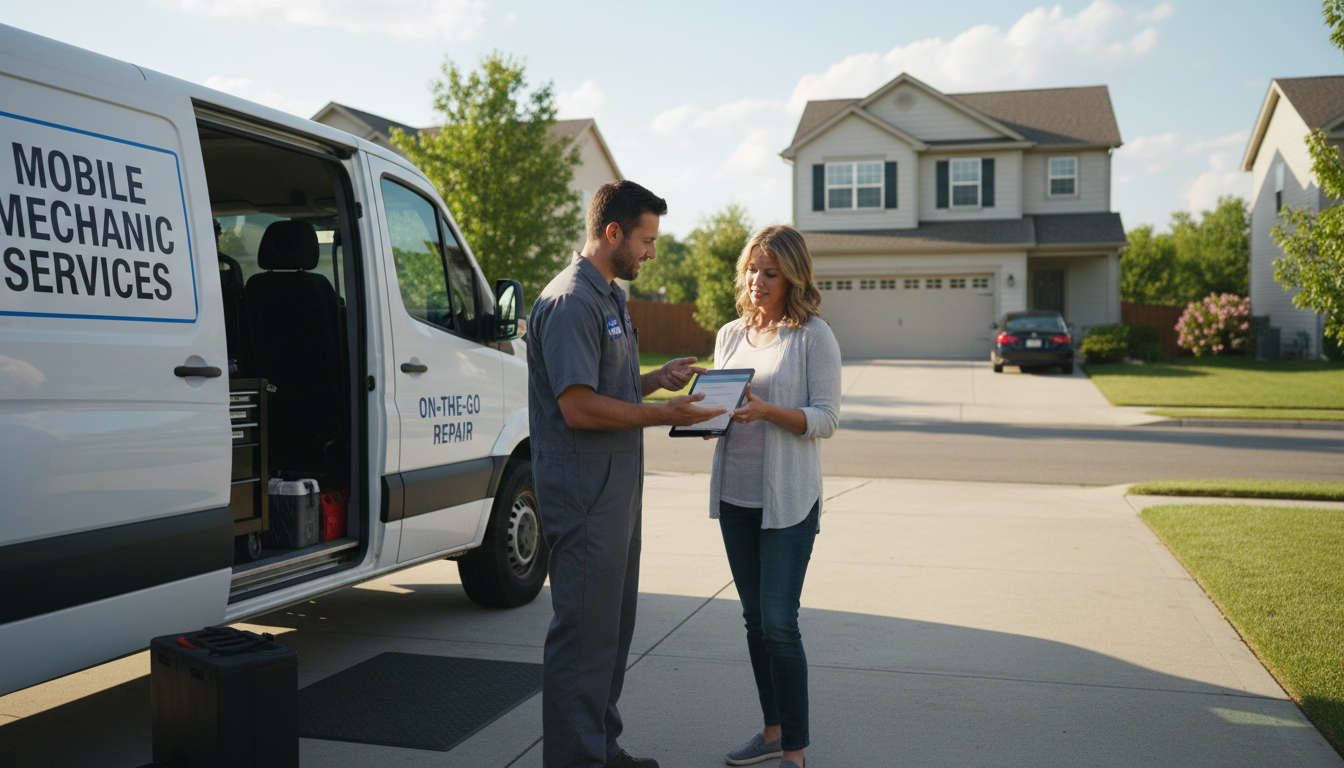
Deciding between a tow to a fixed shop or calling for a mobile repair depends on the location and the severity of the damage. A traditional towing service typically delivers your vehicle to a repair facility where it enters a queue. You may wait days for a technician to look at it, and you must arrange transportation home from the shop lobby. In contrast, a mobile mechanic brings the garage to you. If the vehicle is at your home in Virginia Beach or your workplace in Norfolk, mobile diagnostic services allow for immediate testing and, in many cases, a complete repair on-site.
Service Option | Best Used For | Key Advantage |
|---|---|---|
Mobile Mechanic | Driveways, parking lots, minor roadside repairs | Immediate repair at your location |
Traditional Towing | High-traffic highways, major engine/trans failure | Safety and access to heavy shop equipment |
Safe locations like residential streets or office parking areas are ideal for mobile work. However, if the car broke down what to do next requires evaluating the surroundings first. A vehicle sitting on a narrow, high-speed shoulder or a bridge in the 757 area is often too dangerous for on-site repairs. In these instances, towing is the only responsible choice. Mobile Mechanic Auto Repair provides both towing and roadside assistance in Hampton Roads and on-site mechanical repairs. This dual-service model ensures that if a technician determines a repair is too complex for the field or requires a lift, the equipment is already available to transport the vehicle. Honest communication about what can and cannot be safely fixed on the road prevents wasted time and protects the customer from unnecessary stress.
How to Request Mobile Service for a Faster Recovery
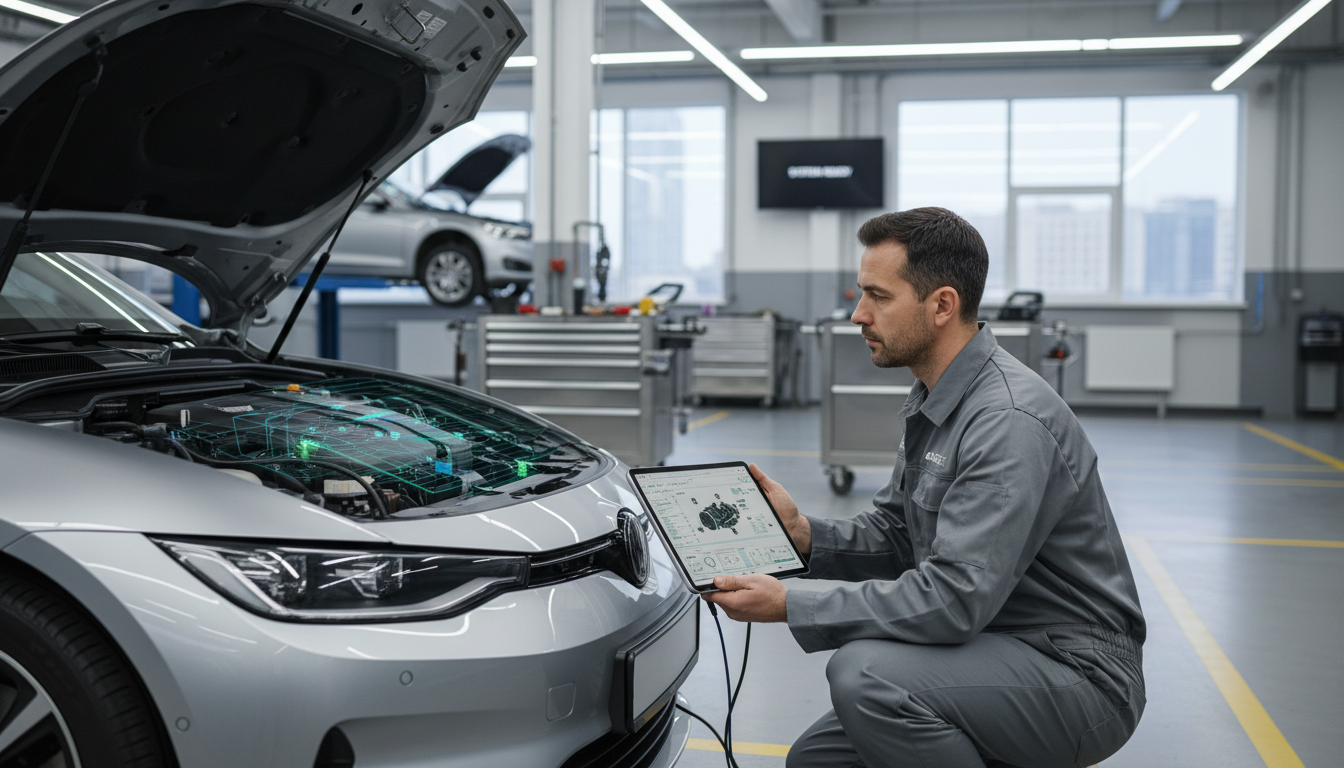
When you determine that your car broke down what to do next involves providing precise information to dispatch. A technician cannot adequately prepare for a field visit with a vague description like "the engine stopped." Detailed input allows the mechanic to review service bulletins and potential part requirements before leaving the shop.
Be prepared to provide the following details: 1. Vehicle year, make, and model. 2. Engine configuration, specifically whether it is gasoline or diesel. 3. The exact service address, including pickup and drop-off points for towing and roadside assistance in Hampton Roads. 4. A description of recent repairs, specific symptoms, or current warning lights.
Sharing specific diagnostic trouble codes or describing the exact sound the engine makes during a no-start condition is critical. If you can identify that a battery light was flickering before the stall, the technician might arrive ready for a starter and alternator replacement. This level of detail transforms mobile diagnostic services from a simple inspection into a targeted recovery mission; it ensures the right tools and parts are on board for a first-visit fix.
10 Essential Items for Your Hampton Roads Emergency Car Kit
Preparation transforms a roadside crisis into a manageable delay. While many drivers keep a basic spare tire, the unique environment of coastal Virginia requires a more specialized approach. Humidity, sudden Atlantic storms, and high-speed bridge traffic make specific gear essential for safety.
High-visibility safety vest: An ANSI Class 2 vest is necessary for being seen on dark stretches of I-64 or the Peninsula.
Heavy-duty rain poncho: Coastal weather shifts rapidly; staying dry prevents discomfort and cold during a long wait.
Portable power bank: Keeping a dedicated charger ensures you can always reach mobile diagnostic services even if your vehicle's charging system fails.
Physical contact card: Cell signals can drop near the water or inside certain structures. Keep the number for Mobile Mechanic Auto Repair in your glove box for quick access.
Reflective triangles: These provide much better long-distance warning for other drivers than hazard lights alone.
LED flashlight: A dedicated light with extra batteries saves your phone charge for essential communication.
Basic tool kit: Pliers and a multi-bit screwdriver allow for simple checks of battery terminals or loose sensors.
Distilled water: This is useful for both hydration and temporarily topping off a cooling system if a leak is minor.
Escape tool: A seatbelt cutter and window breaker should be kept within reach of the driver seat.
Jumper cables: High-quality cables are essential for addressing a battery issue before requesting a starter and alternator replacement.
Reviewing your kit before your car broke down what to do becomes an urgent question ensures you are never truly stranded. If these tools cannot get you moving, we provide professional towing and roadside assistance in Hampton Roads to get you and your vehicle to a secure location.
Common Questions About Roadside Breakdowns in Virginia Beach
Navigating a mechanical failure in the 757 area often brings up immediate practical concerns. If you find yourself in a situation where your car broke down what to do next usually involves a few common questions regarding law enforcement and technical capabilities.
Many drivers wonder if it is appropriate to call the police for a simple breakdown. If your vehicle is blocking a travel lane on a busy road like Independence Boulevard or creates a safety hazard on a narrow shoulder, you should call for assistance. Local law enforcement can provide a physical barrier with their cruiser and emergency lights, ensuring you are protected while you wait for towing and roadside assistance in Hampton Roads.
Regarding the vehicle itself, a car can always be towed even if it will not start or shift into neutral. Professional towing equipment is designed to recover disabled vehicles regardless of their mechanical state. However, a tow might not be your only option. While a dead battery is statistically the most common reason for a no-start, it is not the only culprit.
Potential Issue | Description |
|---|---|
Dead Battery | Insufficient voltage to turn the engine; often solved on-site. |
Fuel Pump Failure | The engine cranks but will not fire because it lacks fuel pressure. |
Security Glitch | Anti-theft systems may disable the ignition due to key fob errors. |
Starter/Alternator | Mechanical failure preventing the engine from rotating or charging. |
Before committing to a tow, mobile diagnostic services can verify if the issue is a simple sensor error or a security system glitch. If the problem is hardware-related, such as a starter and alternator replacement, identifying this early prevents you from paying for a tow to a shop that might be backed up for days. Expert technicians use this process to ensure the solution matches the actual failure.
Staying safe on the busy highways and tunnels of Hampton Roads starts with keeping your cool and moving your vehicle to a secure location. While following these safety steps can prevent further issues, some roadside problems require a more technical touch. If you want expert help to get back on the road without the hassle of a tow truck, we are here to support you. You can browse our full range of services to see how our mobile team brings the shop directly to your location.