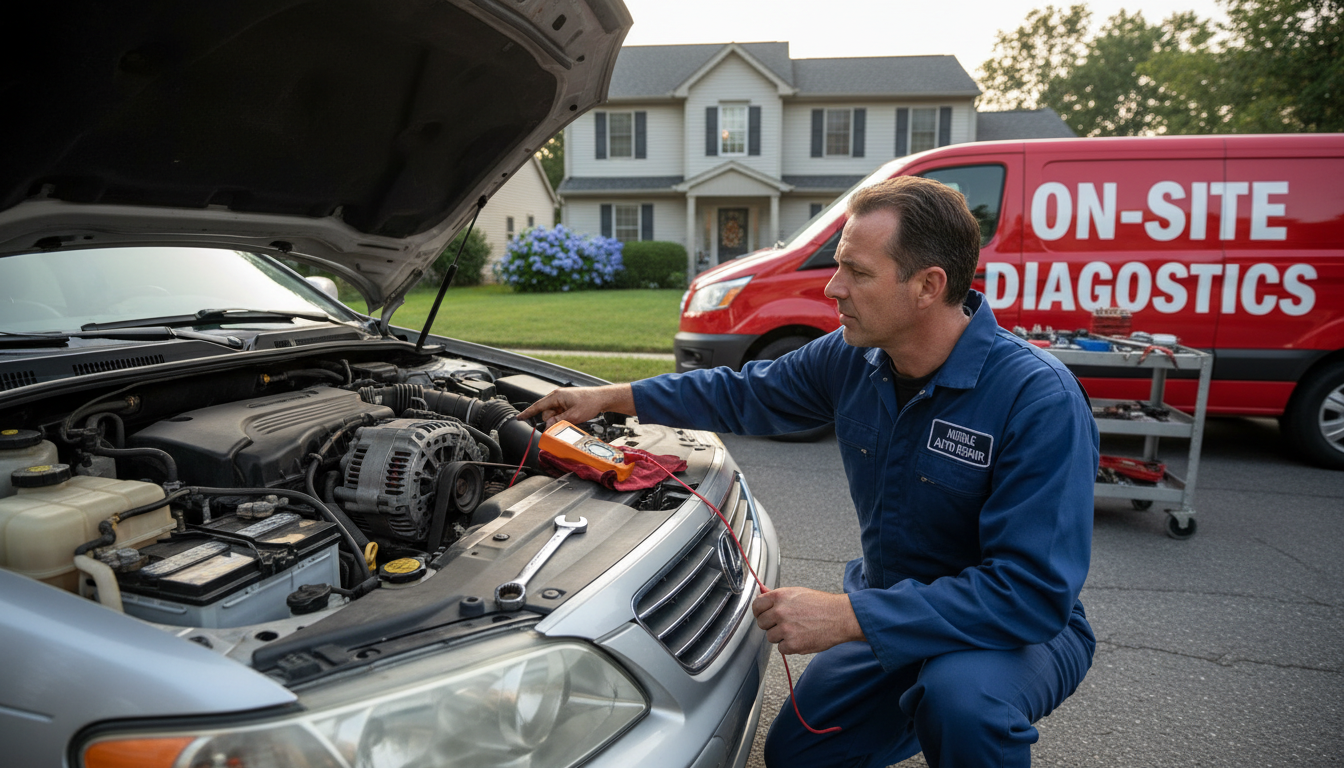
Essential car battery maintenance fall practices include testing voltage levels and cleaning terminal corrosion to ensure reliable starts as temperatures begin to drop. Drivers should also perform visual inspections for physical damage and prioritize longer trips to maintain a full charge. These proactive steps prevent the chemical slowdowns and electrical failures common in colder weather.
There is nothing more frustrating than hearing a hollow click when you turn your key on a crisp Virginia morning, especially when you are already running late for a commute through the HRBT or the Midtown Tunnel. While summer heat is the silent killer of lead acid batteries, the first true temperature drop of fall is what finally exposes the internal damage. As a mobile mechanic serving Hampton Roads, I see countless drivers stranded by seasonal transitions that could have been avoided with proactive care. This guide outlines the essential steps to prepare your electrical system for the humid, cooling transition of a coastal autumn. You will learn how to identify early warning signs of failure, how to weatherproof critical connections against Atlantic moisture, and why a professional diagnostic is far superior to a basic voltage check at a local parts store.
Why Fall Car Battery Maintenance is Crucial in Hampton Roads
Summer in Virginia Beach and the surrounding Hampton Roads area is famously brutal on vehicles. While many drivers associate battery failure with the dead of winter, the actual damage often occurs during our humid, high heat July and August months. Intense heat accelerates the evaporation of the battery's internal electrolyte fluid. This process leads to internal structural damage and plate corrosion that remains invisible while the weather stays warm.
The danger arrives during the transition to autumn. As temperatures begin to fluctuate in cities like Norfolk and Portsmouth, the chemical reaction inside the battery slows down significantly. A battery weakened by summer heat may function fine on a 90 degree afternoon, but it will lack the necessary amperage to turn over the engine during the first crisp morning of October. Thickening engine oil requires more power to move, putting a massive strain on a component that is already compromised.
Coastal conditions add an extra layer of complexity for drivers in Chesapeake and Hampton. The salt heavy air near the coast accelerates the formation of lead sulfate and corrosion on the battery terminals. This buildup creates electrical resistance, making it harder for the alternator to recharge the battery and harder for the battery to deliver power to the starter. Prioritizing car battery maintenance fall tasks allows you to identify these hidden weaknesses before they leave you stranded at the oceanfront or in tunnel traffic. If your vehicle struggles to start, professional vehicle diagnostics can identify if you are facing a simple terminal cleaning issue or if you require starter and alternator replacement to keep your vehicle reliable.
The Essential Fall Car Battery Maintenance Checklist
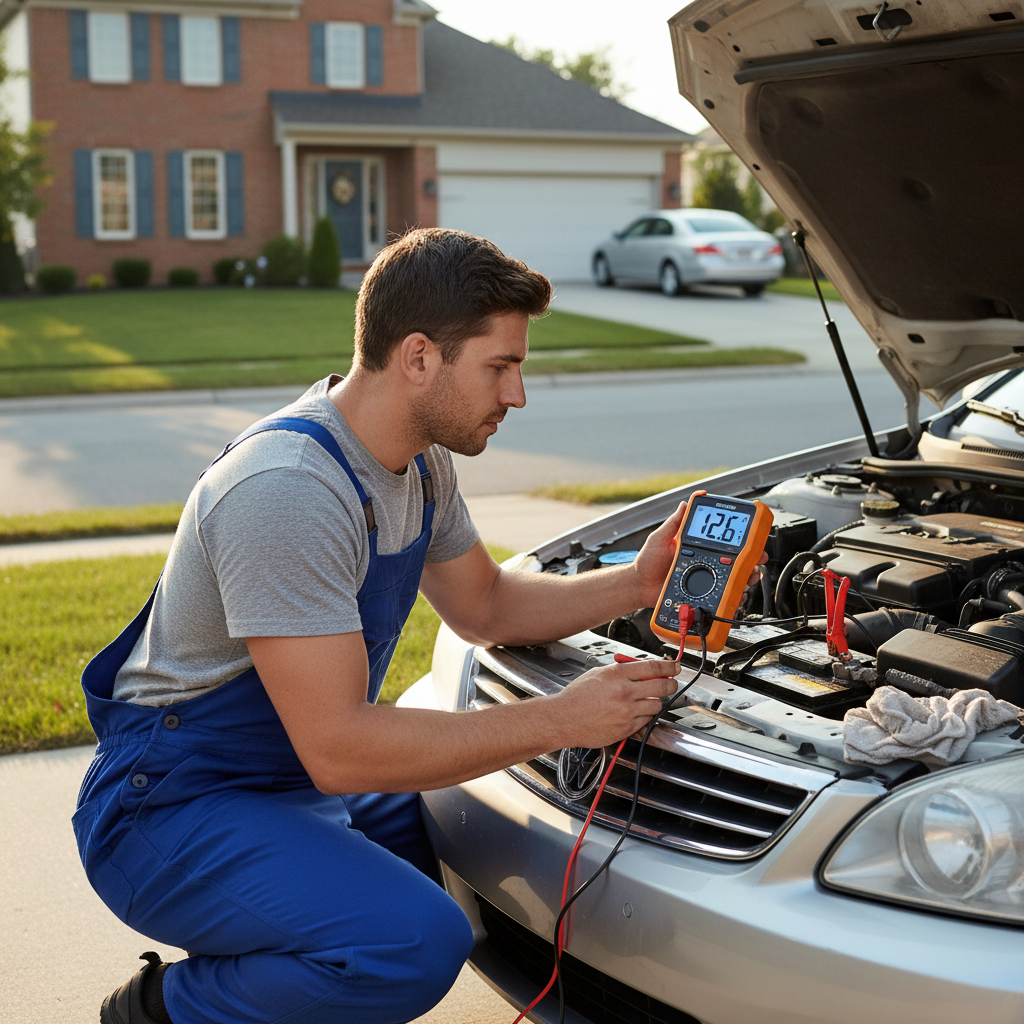
Addressing the damage caused by a Virginia Beach summer requires a methodical approach. You do not need a shop full of tools to perform a preliminary assessment, but you do need to know exactly what to look for to avoid a mid-tunnel breakdown. This checklist covers the most critical points for maintaining reliability as the humidity drops and the mornings get cooler.
Perform a Visual Case Inspection: Examine the battery housing for any signs of physical deformity. Heat-damaged batteries often show swelling or a bloated appearance on the sides, sometimes referred to as 'cradling.' If the plastic case is bulging or shows hairline cracks, the internal structure has been compromised and the battery is no longer safe to operate.
Scrub Terminal Corrosion: Look for a white, ashy, or blue-green powdery buildup around the metal terminals. In our coastal environment, salt air accelerates this oxidation, which acts as an insulator and blocks the flow of electricity. Use a stiff wire brush to clean the terminals and cable ends until the metal is bright and shiny. This ensures the starter receives the full amperage needed for a cold start.
Verify the Manufacture Date: Most automotive batteries have a functional lifespan of three to five years. Locate the shipping code or heat-stamped date on the battery case. If your battery is older than four years, its internal capacity is likely degraded. Even if it starts the car today, it may lack the reserve power to survive the first frost in Chesapeake or Norfolk.
Tighten the Mounting Hardware: Ensure the battery is firmly secured by its hold-down bracket. The frequent vibrations caused by traversing the Hampton Roads Bridge-Tunnel or the uneven expansion joints on I-64 can cause internal plates to vibrate and break. A battery that can wiggle by hand is prone to premature failure.
If you discover heavy corrosion or a swollen case, professional mobile parts replacement can resolve the issue at your home or office before a complete failure occurs.
Weatherproofing Your Electrical System for Virginia Autumns
While the battery is the heart of the system, it relies on a complex network of components to function during a rainy Virginia autumn. High humidity in Norfolk and Chesapeake often leads to moisture intrusion in the wiring harness. Inspect the plastic looms and insulation surrounding your engine wires for signs of brittleness or cracking. These small openings allow damp air and road spray to seep in, causing phantom electrical drains or short circuits that can confuse a standard vehicle diagnostics session.
The alternator belt, or serpentine belt, serves as the lifeline for your charging system. As temperatures drop, rubber components stiffen. A belt that was slightly loose during the summer may begin to slip when the engine is cold, preventing the alternator from spinning at the necessary RPM to recharge the battery. Look for glazing, which appears as a shiny, smooth surface on the underside of the belt, or small cracks across the ribs. If the belt lacks proper tension, your efforts at car battery maintenance fall short because the battery never receives a full charge while driving.
To further protect your vehicle from the salt heavy coastal air, apply dielectric grease to exposed electrical connectors. This silicone based, non conductive grease creates a waterproof seal that prevents pins from corroding. Treating the connections for sensors and headlights is a practical way to ensure consistent voltage flow throughout the season. If you notice flickering lights or erratic gauge behavior, a professional starter and alternator replacement evaluation may be necessary to determine if the issue is the charging unit or simply a compromised connection.
Warning Signs Your Battery Won't Survive the Season

Identifying a failing component before you are stranded in a Norfolk parking garage requires paying attention to how the vehicle behaves under load. The most common indicator is the slow crank, characterized by a sluggish rrr-rrr-rrr sound when you turn the key. As temperatures drop across Hampton Roads, the internal chemical reaction inside the lead plates slows down. A battery weakened by summer humidity may no longer provide the necessary Cold Cranking Amps to engage the starter motor.
If your headlights dim significantly while idling at a stoplight in Hampton but brighten once you accelerate, your charging system is struggling to keep up with the electrical demand. Drivers often ask why their interior lights and radio work even when the engine refuses to turn over. This occurs because dashboard lights and accessories require very little current, whereas the starter motor needs a massive surge of amperage to overcome engine compression.
Distinguishing between a simple battery issue and the need for a starter and alternator replacement is vital for reliability. A battery warning light on the dashboard typically indicates an alternator or charging system failure rather than just a depleted battery. If your vehicle displays these symptoms, comprehensive vehicle diagnostics are the only way to ensure your car battery maintenance fall routine addresses the actual root cause rather than just the symptoms.
The Hampton Roads Driving Factor: Short Trips and Tunnel Traffic
Local driving patterns across Norfolk and Chesapeake significantly impact the effectiveness of your car battery maintenance fall routine. Residents with short commutes or those who spend twenty minutes idling in the Hampton Roads Bridge-Tunnel (HRBT) or Midtown Tunnel face a specific challenge: parasitic drain without replenishment. The alternator requires sustained engine RPMs to fully recharge the energy spent during the initial start. When you combine low speed crawling with the increased fall demand for headlights, windshield wipers, and seat heaters, the battery often finishes the trip with less charge than it started with.
If your vehicle sits in a driveway in Virginia Beach most of the week or is only used for two mile errands, the internal plates never reach full saturation. Over time, this leads to sulfation, which is a leading cause of premature failure in our humid coastal environment. For low mileage drivers, we recommend using a smart battery maintainer or trickle charger once a week. This device compensates for the lack of highway time and ensures the battery has the voltage required to support the vehicle's computer systems. If you suspect your charging system is falling behind, professional vehicle diagnostics can verify if the alternator is outputting the correct amperage under load.
Why Professional Diagnostics Trump a Simple Parts Store Test
Many drivers in Chesapeake or Virginia Beach head straight to a local auto parts store when their car struggles to start. While free testing seems convenient, a basic handheld tester often provides an incomplete picture of electrical health. These devices typically measure static voltage, which can be highly deceptive. A battery may show a healthy 12.6 volts while the engine is off, yet lack the internal chemical strength to provide the necessary amperage once the ignition is turned. This discrepancy is why professional vehicle diagnostics are essential for a truly effective car battery maintenance fall plan.
Professional testing involves a load test that mimics the extreme stress of starting an engine on a cold morning. A battery might look perfect on a simple voltmeter, but once a load is applied, the voltage can drop below 9 volts, indicating a failed cell or high internal resistance. Relying on a basic pass or fail printout from a retail counter often leads to the parts cannon approach, where a customer spends money on a new battery only to find their vehicle still won't start because the alternator is not providing enough current to maintain the charge.
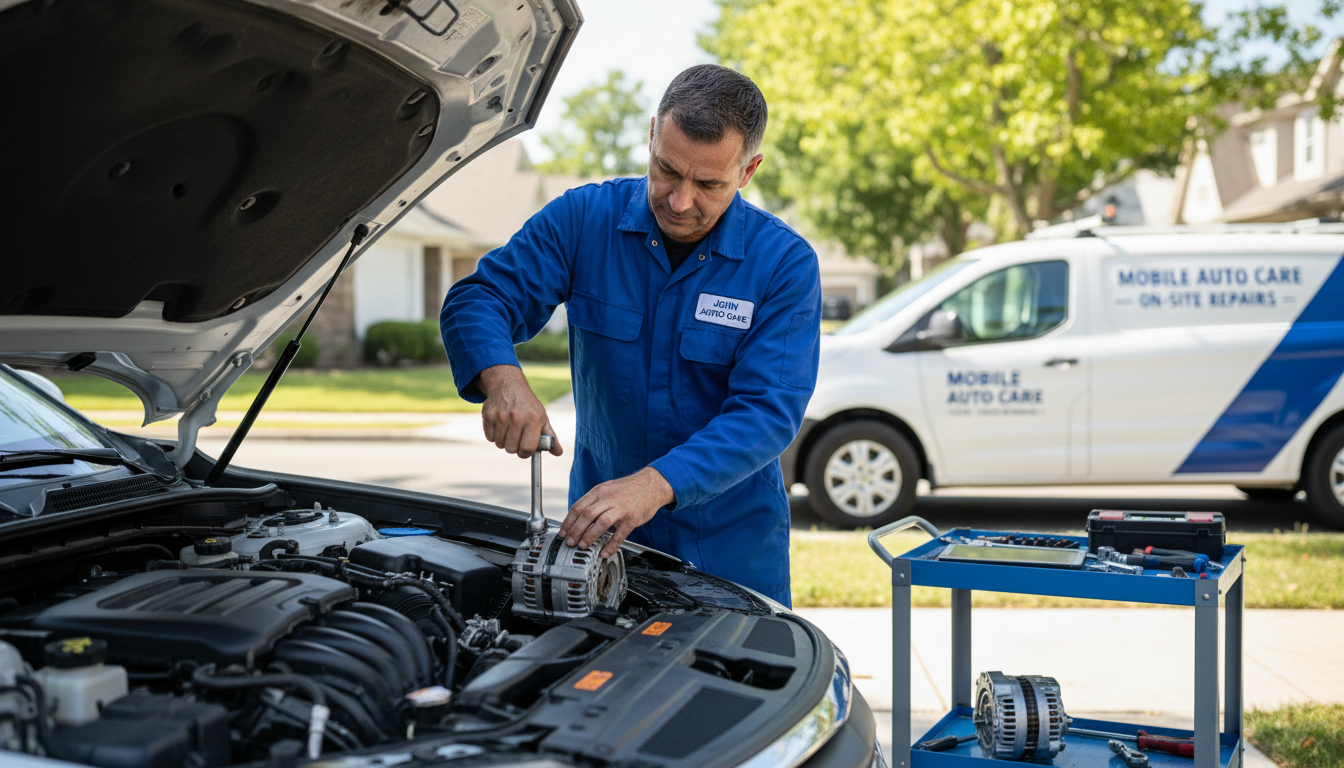
Our mobile diagnostic process evaluates the three main pillars of your electrical system: the battery's health, the starter motor's draw, and the alternator's output under load. We check for parasitic drains that might be pulling power while the car is parked at the Norfolk naval base or at home overnight. If we determine the battery is healthy but the charging system is weak, we can perform a starter and alternator replacement on-site. This comprehensive approach ensures you are not just treating a symptom but actually fixing the root cause. If a component does need to be swapped, we provide mobile parts replacement to get you back on the road without an unnecessary trip to a retail shop.
Keeping your vehicle prepared for the cooler months ensures you will not be caught off guard by a dead battery or electrical failure as the Hampton Roads weather shifts. Taking these preventative steps now can save you time and stress later in the season. If you prefer to have a professional handle the inspection and maintenance, our range of services is designed to keep your car running reliably through every temperature drop. We are always here to help you stay road-ready.