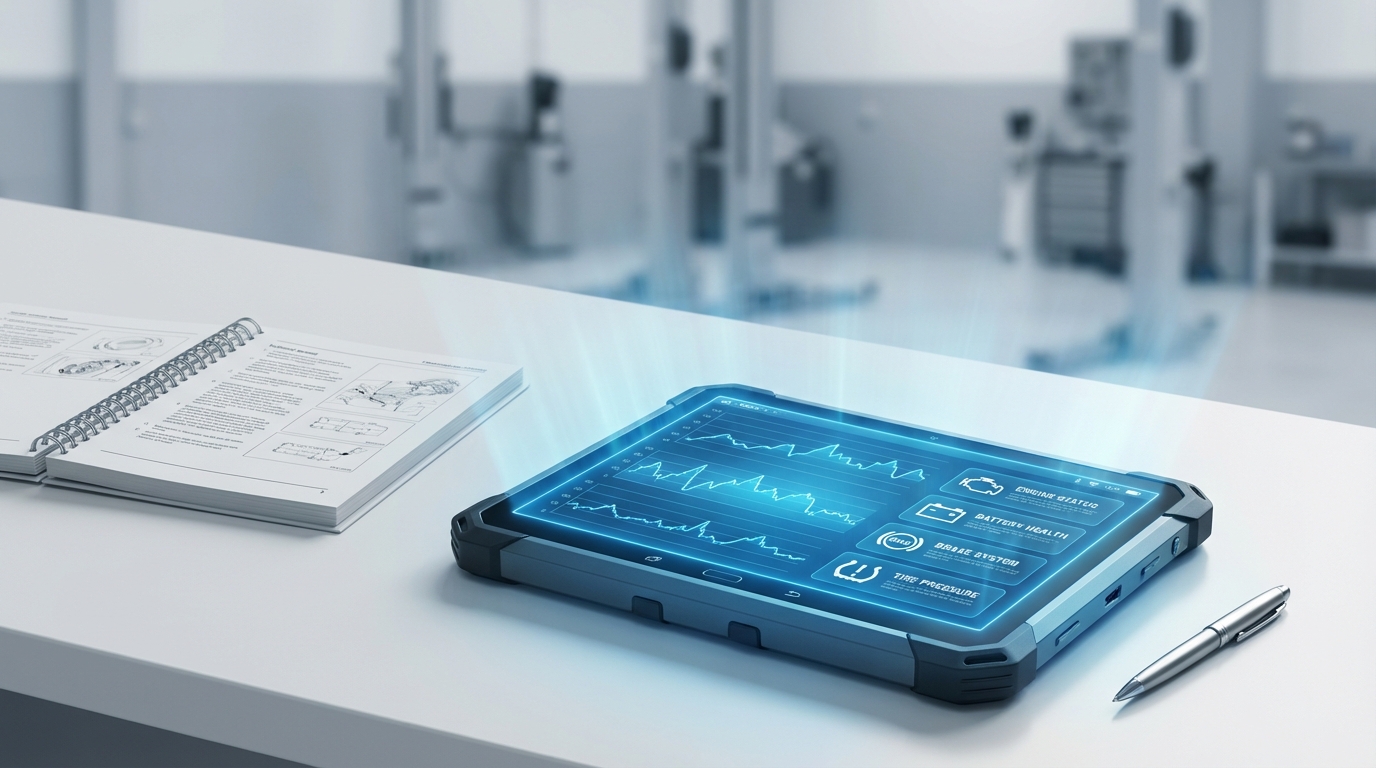
A check engine light signals that your vehicle's onboard computer has detected a malfunction within the engine, transmission, or emissions system. Seeking professional check engine light diagnosis Hampton Roads is essential to identify specific trouble codes and prevent minor issues from becoming expensive repairs.
Few things cause more immediate stress than seeing that amber engine icon glow on your dashboard while you are navigating the Midtown Tunnel or cruising down Atlantic Avenue. For many drivers in Hampton Roads, this light represents an expensive mystery and the logistical headache of finding a reliable shop. However, that warning is actually a vital communication tool designed to prevent catastrophic mechanical failure. Ignoring the signal, especially in our salt-rich coastal environment, often leads to compounding damage that a timely inspection could have avoided. In this guide, we will explain the critical difference between steady and flashing alerts, common triggers unique to Virginia Beach and Norfolk, and why a simple parts store code reader is no substitute for a professional diagnostic. You will also discover how mobile mechanical services provide a convenient, expert solution that brings the shop directly to your driveway.
Understanding the Warning: Why the Check Engine Light Matters
Seeing the amber or yellow silhouette of an engine illuminate on your instrument cluster rarely happens at a convenient time. This small icon often triggers immediate stress regarding repair costs, vehicle reliability, and the potential for a breakdown. This indicator, formally known as the Check Engine Light (CEL), serves as the primary communication tool for your vehicle’s Onboard Diagnostics (OBD) system. The OBD system continuously monitors engine performance, emissions levels, and various integrated sensors to ensure the vehicle operates within specific manufacturer parameters.
While the light itself is generic, the cause behind it is always specific to your vehicle’s current condition. A glowing dashboard light does not identify a failed part; it indicates that the computer has detected data that falls outside of normal limits. Obtaining a professional check engine light diagnosis in Hampton Roads is the first step in resolving the issue without unnecessary guesswork. Mechanic Mobile & Auto Repair serves as a specialized mobile expert throughout Virginia Beach, Norfolk, Chesapeake, Portsmouth, Suffolk, Hampton, and Newport News.
By dispatching a mobile mechanic for diagnostics directly to your home or workplace, we eliminate the need for you to navigate traffic or wait in a repair shop lobby. Our approach focuses on a careful diagnostic process to pinpoint the exact failure, including complex electrical troubleshooting. If your vehicle is exhibiting drivability issues that make it unsafe to operate, we can also evaluate the need for towing and roadside assistance to get your car to a secure location for repair.
Steady vs. Flashing: Identifying the Urgency of Your Dashboard Light
The urgency of the situation depends entirely on the behavior of the indicator. Most drivers encounter a solid, steady light. While this requires attention to prevent declining fuel economy or further component wear, it typically does not signify an immediate mechanical catastrophe. A solid light often stems from emissions related issues or failing sensors that the vehicle computer can temporarily compensate for by using default values. You can usually drive the vehicle home or to your workplace, but you should schedule a check engine light diagnosis in Hampton Roads promptly to avoid compounding the problem.
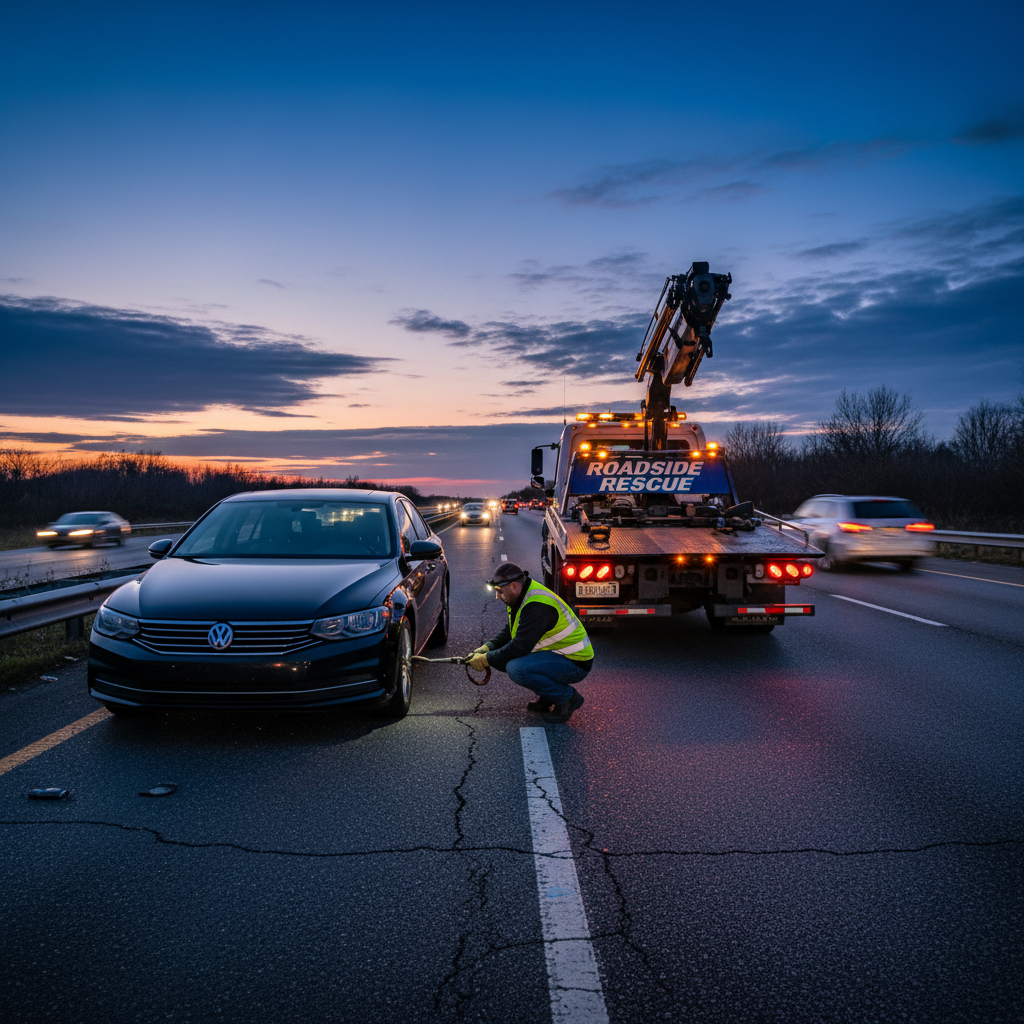
A flashing or blinking light represents a much more critical condition. This pattern usually indicates a severe engine misfire. When the light flashes, unburned fuel may be entering the exhaust system, where it can ignite and melt the internal structure of the catalytic converter. This leads to extremely expensive repairs within a matter of minutes. If you see the light blinking, pull over to a safe location as soon as possible and turn off the engine. Continuing to drive in this state could lead to catastrophic engine failure. We provide towing and roadside assistance for vehicles in this condition to prevent further damage. Once the vehicle is at a safe service location, a mobile mechanic for diagnostics can perform electrical troubleshooting to identify if the fault lies in the ignition coils, spark plugs, or fuel system.
Common Reasons for a Check Engine Light in Virginia Beach and Norfolk
The unique driving environment of the Hampton Roads area plays a significant role in how and why your vehicle’s computer triggers a warning. From the constant stop and go traffic on I-64 and the bridge tunnels to the high humidity and salt air near the coast, certain components are under regular stress. When we perform a check engine light diagnosis in Hampton Roads, we frequently encounter five primary culprits that stem from these local conditions.
Faulty Oxygen (O2) Sensors: These sensors monitor the amount of unburned oxygen in the exhaust. The high humidity and salt spray in Virginia Beach and Norfolk can accelerate corrosion on the sensor connectors and wiring. A failing sensor provides incorrect data to the engine computer, which often results in a significant drop in fuel economy and can eventually damage your catalytic converter.
Loose or Damaged Gas Caps: This is the most common minor issue we see. The gas cap seals the fuel system and helps maintain proper pressure. If the seal is cracked or the cap is not tightened correctly, the system detects an evaporative leak. Before assuming a major repair is necessary, ensure the cap is secure; however, if the light remains on, a professional evaluation is required to rule out larger leaks in the fuel system.
Mass Airflow (MAF) Sensor Issues: The MAF sensor calculates the volume of air entering the engine to determine the correct fuel mix. Moisture and airborne particles common in our coastal environment can contaminate the sensor over time. This often leads to stalling, hesitation, or poor acceleration, especially during the humid summer months.
Worn Spark Plugs or Ignition Coils: The heavy congestion during peak hours in Chesapeake or Norfolk means your engine spends a lot of time idling and accelerating in short bursts. This intense thermal cycling wears out spark plugs and ignition coils faster than consistent highway driving. If these components fail, you will likely need electrical troubleshooting to confirm which cylinder is misfiring and to prevent damage to the engine control module.
Catalytic Converter Failure: This component reduces exhaust toxicity and usually fails because another issue, such as a faulty spark plug or O2 sensor, went ignored for too long. If your vehicle feels sluggish or lacks power when merging onto the interstate, a mobile mechanic for diagnostics can evaluate if the converter is restricted.
Addressing these issues early prevents small problems from turning into a situation where you need towing and roadside assistance because the car has become undriveable on a bridge or tunnel. By bringing the diagnostic equipment directly to your home or workplace, we identify these common failures without the risk of you driving a compromised vehicle through heavy traffic.
Why a Code Reader is Not a Professional Diagnosis
Securing a professional check engine light diagnosis in Hampton Roads ensures that the data provided by your vehicle’s computer is interpreted correctly by an expert. Many drivers in Virginia Beach and Norfolk attempt to save time by visiting an auto parts store for a free scan. While these scans provide a diagnostic trouble code (DTC), the code is merely a starting point, not a definitive repair plan. A common misconception is that a specific code translates directly to a specific part. For example, if a scan reveals a code for an Oxygen (O2) sensor, it does not automatically mean the sensor has failed. The sensor might be correctly reporting a lean condition caused by a cracked vacuum hose or a leaking intake manifold gasket. If you simply replace the sensor, the light will likely return within a few miles because the underlying cause was never addressed.
We utilize a Careful Diagnostic Process to ensure that we identify the root cause before recommending any parts. This approach is essential for accurate electrical troubleshooting and mechanical repairs. Instead of firing a "parts cannon" at your vehicle, which involves replacing multiple components in the hope that one of them fixes the issue, we perform targeted testing. This might include smoke testing for vacuum leaks, checking circuit integrity, or using live data streams to observe how the vehicle responds in real time.
Professional testing helps reduce unnecessary parts replacement and gives you a clearer understanding of your vehicle’s actual condition. While a code reader identifies which system is reporting an error, a mobile mechanic for diagnostics identifies why the error is happening. This precision saves you money in the long run by preventing the purchase of expensive components that your vehicle does not actually need. If your vehicle is currently displaying a warning light but you are hesitant to drive it, we can provide towing and roadside assistance to move the vehicle to a safe location for a full evaluation.
The Benefits of Mobile Diagnostic Services in Hampton Roads

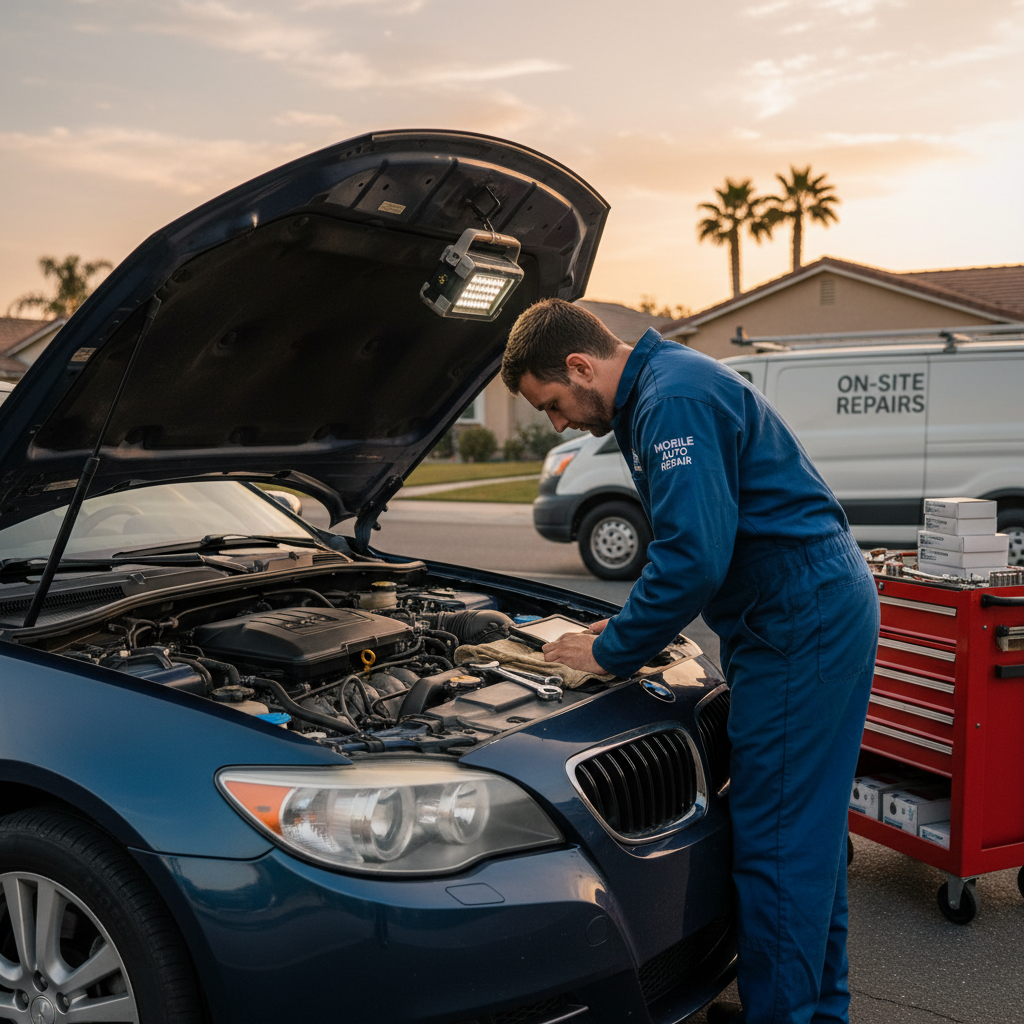
Traditional auto repair requires you to clear your schedule, coordinate a ride, and sit in a waiting room for hours. A mobile service model eliminates these logistical hurdles. When you need a check engine light diagnosis in Hampton Roads, having an expert arrive at your location removes the stress of navigating a potentially failing vehicle through heavy traffic. We bring specialized tools and diagnostic equipment directly to your driveway in Virginia Beach, your office parking lot in Norfolk, or a safe residential location in Portsmouth. This approach ensures your day remains productive while your vehicle receives professional attention.
Safety is the primary reason many residents in Chesapeake, Suffolk, Hampton, and Newport News prefer a mobile mechanic for diagnostics. Driving a vehicle with an active warning light through the high-traffic zones of the HRBT or the Monitor-Merrimac Memorial Bridge-Tunnel is a significant risk. If the engine stumbles or enters a reduced power mode while on a bridge, it creates a dangerous situation for you and other drivers. By requesting service at your home or workplace, you avoid the risk of a breakdown in these high-stakes areas. If the vehicle is already immobilized, we can perform on-site electrical troubleshooting to determine why the system has failed without you having to first arrange a ride to a physical shop.
For vehicles experiencing a no-start condition, mobile service provides the most direct path to a solution. Instead of paying for a tow to a facility where the car might sit for days before being seen, you receive an immediate expert evaluation. If our diagnostic process reveals that the vehicle is unsafe to drive or requires shop-level equipment, we can then coordinate towing and roadside assistance to transport the vehicle to a secure destination. This method ensures that every decision regarding your vehicle is based on professional data rather than guesswork.
How the Coastal Environment Affects Your Vehicle Electronics
The proximity to the Atlantic Ocean and the Chesapeake Bay introduces a unique challenge for vehicle owners. Salt air is naturally corrosive and carries moisture that penetrates deep into a vehicle's engine bay. Over time, this saline environment accelerates oxidation on critical components such as battery terminals, wiring harnesses, and ground points. When a ground connection becomes corroded, the electrical circuit's resistance increases, which can lead the vehicle's computer to report a failure that might not actually exist. This is a primary driver for a check engine light diagnosis in Hampton Roads where the sensor hardware is functional, but the electrical path is failing.
These environmental factors often manifest as "phantom" or intermittent warnings. You might notice a light that illuminates during a humid morning in Portsmouth or Suffolk but disappears once the engine bay heats up and dries out. Such issues require specialized electrical troubleshooting to identify high-resistance points or moisture intrusion in sensor connectors. Because these faults are environment-driven, a standard code clear rarely fixes the root cause. A mobile mechanic for diagnostics can inspect these vulnerable areas at your home or office, ensuring that salt-induced corrosion is not compromising your vehicle's reliability. If a corroded harness leads to a sudden stall in traffic, we can facilitate towing and roadside assistance to move the vehicle to a safe location for thorough cleaning or repair of the affected circuits.