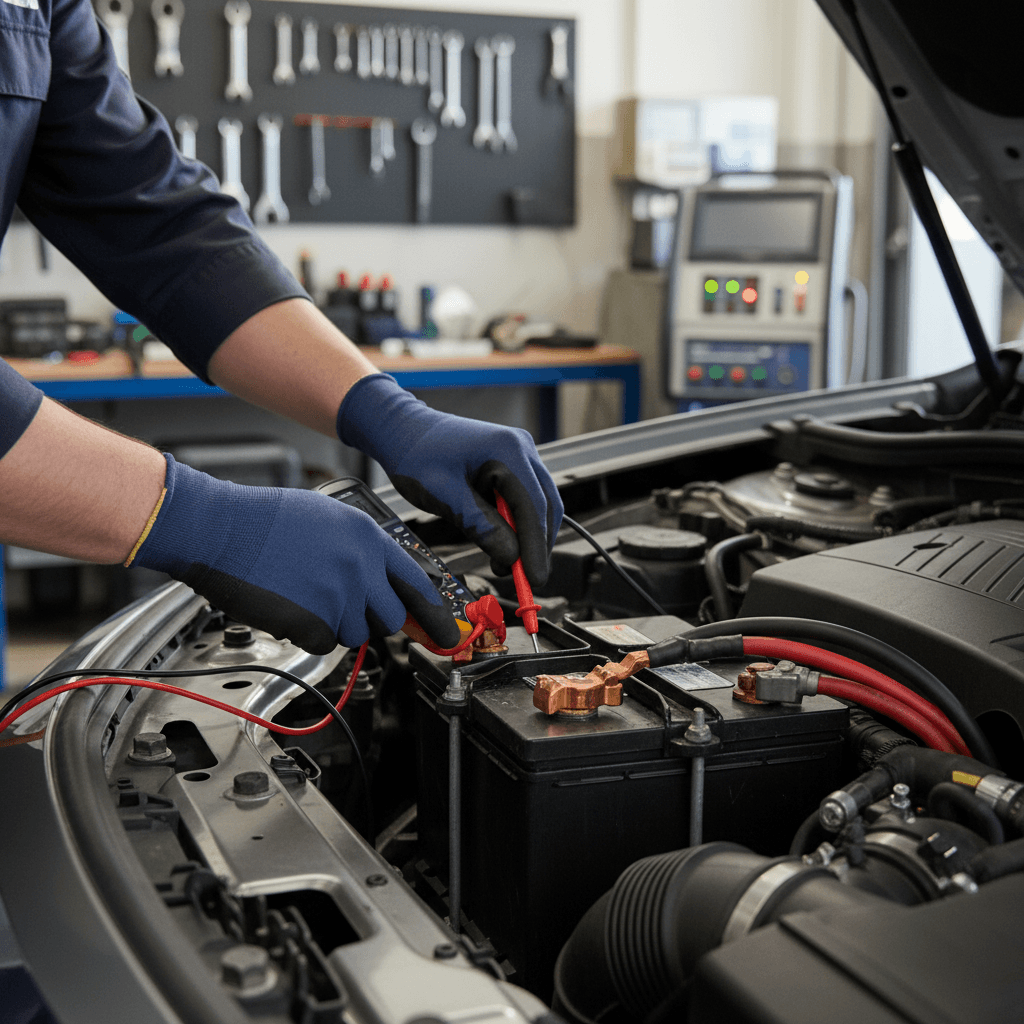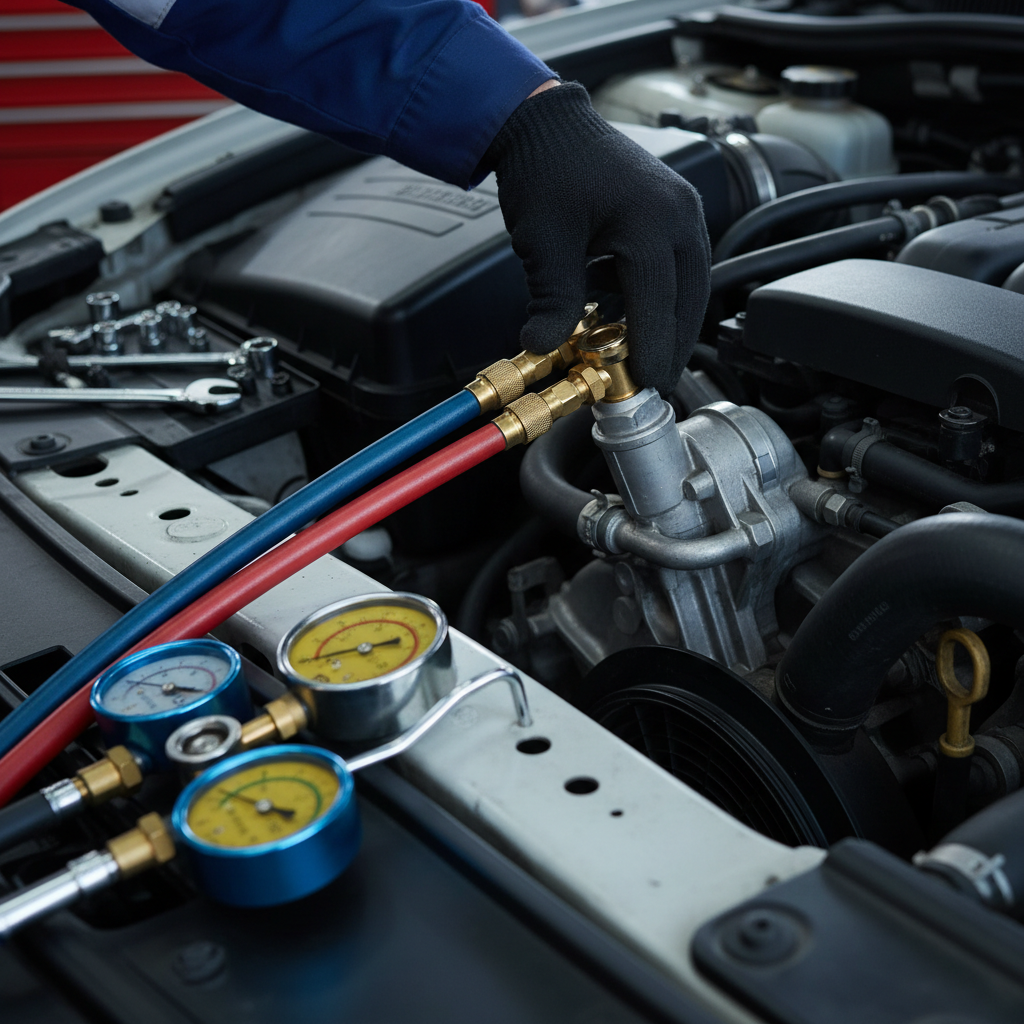
A car AC recharge involves refilling refrigerant to restore cooling performance, while a repair is necessary to fix mechanical failures like a damaged compressor or a system leak. Understanding the difference between car AC recharge vs repair ensures you address the root cause of cooling issues rather than paying for temporary fixes. If your system blows warm air or makes unusual noises, a professional inspection can determine if a simple top-off or a more complex component replacement is required.
There is nothing more frustrating than climbing into a sweltering vehicle only to be greeted by a blast of humid, lukewarm air. Your first instinct might be to reach for a retail recharge kit to restore that icy breeze, but this common shortcut often leads to expensive mechanical headaches down the road. In a properly sealed automotive cooling system, refrigerant does not simply evaporate over time; if the levels are low, you have a physical breach that requires professional attention. This guide explores the critical distinctions between a temporary recharge and a long term repair. We will examine why low refrigerant always signals a deeper issue, the hidden dangers of stop leak additives, and how to identify signs of a failing compressor. By understanding these mechanical realities, you can avoid wasting money on recurring recharges and invest in a solution that actually keeps you cool.
Understanding the Difference: Car AC Recharge vs Repair
When your vehicle stops blowing cold air during a humid Virginia Beach July, the immediate thought is often just to get more Freon. However, understanding the distinction between a car AC recharge vs repair is essential for long term vehicle health. An AC recharge is a specific service where a technician evacuates any remaining refrigerant and refills the system to the manufacturer’s precise weight specifications. In contrast, an AC repair involves the diagnostic work to identify and fix the structural or mechanical failure that caused the cooling loss in the first place.
It is important to differentiate between routine maintenance and a mechanical malfunction. Unlike engine oil or windshield wiper fluid, refrigerant is not consumed through normal operation. A properly functioning AC is a hermetically sealed system. If your air is blowing warm because the refrigerant level is low, that is a malfunction, not a maintenance interval. While a quick recharge might provide temporary relief, it often masks a larger issue. Contacting a professional mobile mechanic ensures that you aren't just treating a symptom. A mobile mechanic for diagnostics can determine if you simply have a slow-leaking O-ring or if a major component has failed, preventing you from wasting money on gas that will just leak back into the atmosphere.
The Hard Truth: Why Low Refrigerant Always Means a Leak
A vehicle air conditioning system operates as a hermetically sealed loop. Unlike engine oil that may slowly burn off over thousands of miles or gasoline that is combusted to power the engine, refrigerant functions in a continuous cycle of evaporation and condensation. It is never consumed or used up during operation. If a technician finds that your system is low on charge, those ounces of gas did not simply disappear; they escaped through a physical breach in the hardware. If the level is low, there is a leak, period.
These breaches often begin as microscopic failures that are difficult to see with the naked eye. Rubber O-rings can dry out and crack due to age and the constant temperature fluctuations common in the Virginia Beach climate. High pressure hoses can develop pinhole leaks from years of engine vibration, and the evaporator, which is hidden deep behind the dashboard, can suffer from internal corrosion. Even if a leak is so slow that it takes months for the air to turn lukewarm, the system's integrity is compromised.
Choosing a car AC recharge vs repair without identifying the leak is equivalent to pouring water into a bucket with a hole in the bottom. You may leave with a cold cabin, but the refrigerant will eventually escape again, leaving you back at square one. A professional mobile mechanic focuses on finding the source of the escape to prevent you from wasting money on repeated refills. Addressing the issue through mobile parts replacement when a leak is first detected also prevents moisture and air from entering the system, which can lead to catastrophic internal corrosion and much higher repair bills later on.
How to Tell if Your AC Needs a Recharge or a New Compressor
Determining if a vehicle needs a car AC recharge vs repair requires paying close attention to how the system behaves when you turn the dial to "Max AC." If the air coming from the vents is slightly cool but never reaches a crisp, cold temperature, you are likely dealing with low refrigerant levels caused by a leak. In this scenario, you might hear the compressor clutch clicking on and off rapidly. This happens because the low-pressure safety switch detects there is just enough gas to start the cycle, but not enough to maintain it. If the pressure drops too low, the clutch may stop engaging entirely to protect the internal components from running dry.
A failing compressor presents much more aggressive symptoms. Because the compressor is a mechanical pump with internal pistons and bearings, its failure is often audible. Listen for loud grinding, squealing, or metallic rattling sounds immediately after the AC button is pressed. These noises indicate internal hardware is breaking apart. Visually, you can check the compressor under the hood while the engine is running. If the center part of the pulley, known as the clutch, remains stationary while the outer belt continues to spin, the unit has likely seized.
Symptom | Low Refrigerant (Potential Recharge) | Failing Compressor (Repair) |
|---|---|---|
Air Temperature | Lukewarm or cool but not cold | Warm or hot |
System Sounds | Frequent clicking (rapid cycling) | Grinding, squealing, or rattling |
Visual Cues | Oily residue on hoses or fittings | Seized clutch or metallic debris in lines |
Engine Impact | Minimal change to idle | Engine may stumble or vibrate heavily |
In severe cases, a dying compressor may release fine metallic shavings into the refrigerant lines. If a mobile mechanic for diagnostics identifies these contaminants, a simple recharge is impossible. The entire system must be flushed and multiple components replaced to prevent the new compressor from failing immediately. Identifying these sensory cues early allows for a more accurate mobile parts replacement strategy, ensuring the fix is permanent and effective for the specific demands of Hampton Roads driving.
The Danger of DIY Recharge Kits and Stop Leak Additives
Attempting a quick fix with a retail "AC in a can" kit often creates more complications than it solves. These products are frequently marketed as an all in one solution for a car AC recharge vs repair, but they often contain aggressive chemical sealants. These additives are designed to harden upon contact with moisture or air. Inside your vehicle's cooling loop, these sealants can quickly gum up the expansion valve or the tiny screens within the orifice tube, effectively choking the flow of refrigerant and oil. This often leads to a complete system blockage that requires a much more expensive mobile parts replacement than the original leak would have necessitated.
Beyond the damage to your car, these additives pose a significant risk to professional tools. When a professional mobile mechanic arrives to perform a proper service, they use specialized recovery machines to evacuate the system. If sealants are present, they can migrate into this expensive equipment, hardening inside the internal valves and hoses. Because of this, many technicians in Virginia Beach and the surrounding Hampton Roads communities will test for sealants before beginning work. If a system is contaminated, it may be deemed unserviceable to protect the equipment. Avoiding these DIY kits preserves your ability to receive a professional mobile mechanic for diagnostics and ensures your long term repair options remain open.
Signs of a Failing AC Compressor: Beyond the Warm Air
Identifying specific symptoms of a failing compressor helps clarify why the choice between a car AC recharge vs repair involves different levels of investment. Beyond lukewarm air, watch for signs of internal mechanical distress such as "black death." This catastrophic failure occurs when the compressor’s internal pistons disintegrate, sending metallic debris and sludge throughout the entire cooling loop. If this occurs, a mobile parts replacement must usually include the condenser and expansion valve, as these contaminants will immediately destroy any new components.
The compressor clutch is another critical failure point. If the engine idles roughly, stumbles, or vibrates heavily when you engage the air conditioning, the compressor may be creating excessive mechanical drag due to internal friction. Sometimes the clutch itself burns out or seizes, preventing the system from engaging at all. A professional mobile mechanic can perform an amperage draw test or a visual inspection to determine if the issue is a simple electrical relay or a mechanical seizure. Requesting a mobile mechanic for diagnostics at the first sign of a rough idle can prevent a failing compressor from snapping a serpentine belt and leaving you stranded on a Hampton Roads highway.
Why Professional Diagnostics Save You Money in the Long Run

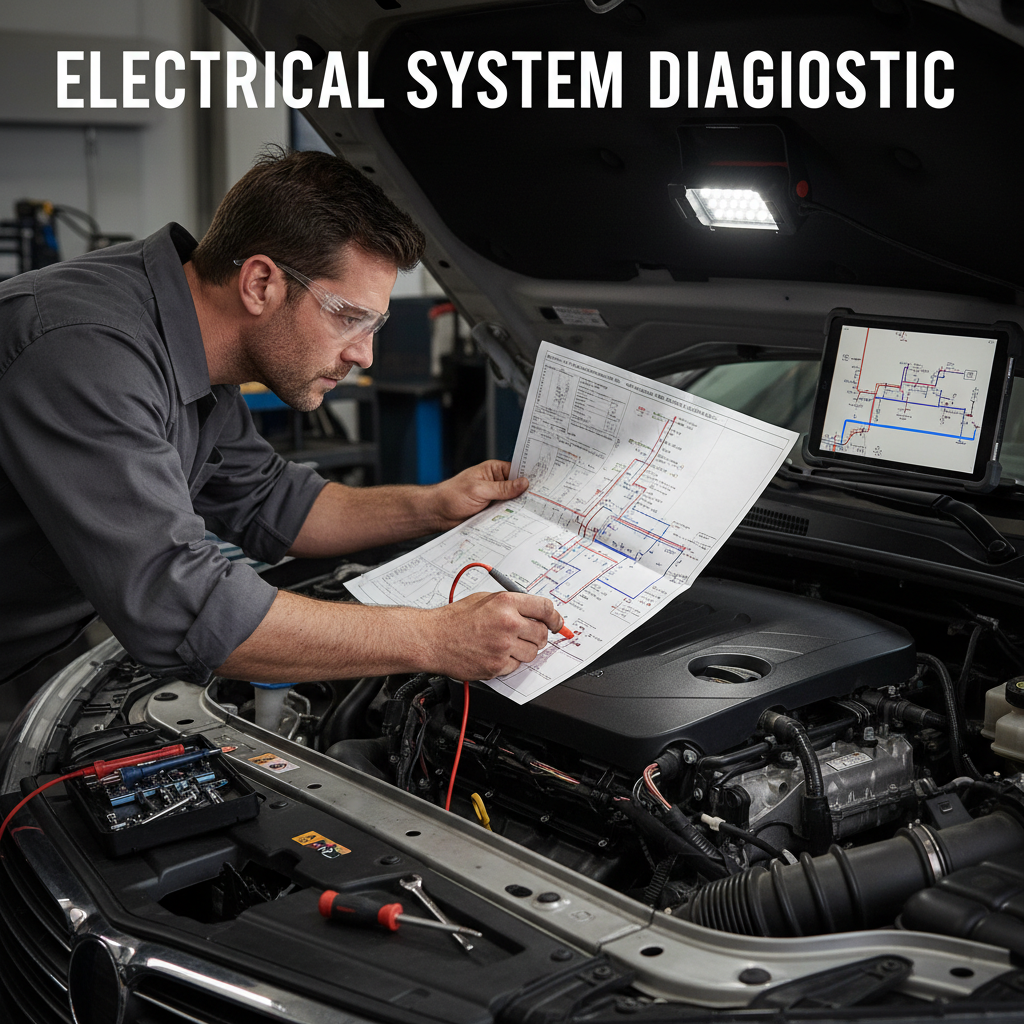
Relying on a trouble code or a free test from a parts store often provides an incomplete picture of a vehicle's climate control health. A generic code indicating low pressure does not identify if the culprit is a pinhole leak in a hose, a faulty pressure sensor, or a software glitch in a modern dual-zone climate control module. Professional diagnostics move beyond guesswork by utilizing a multi-layered testing approach. A professional mobile mechanic uses manifold gauges to monitor high-side and low-side pressures simultaneously, revealing internal blockages or compressor inefficiency that a simple recharge kit cannot detect.
For elusive leaks, technicians employ UV dye that glows under specialized lighting or electronic leak detectors capable of sensing refrigerant concentrations in parts per million. This precision is vital for complex systems in both gasoline and diesel vehicles where components are tightly packed. The philosophy at Mobile Mechanic Auto Repair is rooted in careful evaluation; no parts are recommended until the failure is verified. Investing in a mobile mechanic for diagnostics prevents the "parts cannon" approach where owners spend hundreds on sensors or compressors they did not actually need. This methodical process ensures your money is spent on the correct mobile parts replacement rather than temporary refills that will eventually fail.
Mobile AC Repair in Virginia Beach and Hampton Roads
The logistics of managing a car AC recharge vs repair become significantly easier when the service comes to you. Technicians bring professional grade diagnostic equipment directly to your driveway in Norfolk, your workplace in Chesapeake, or a safe parking area in Portsmouth. By identifying the root cause on-site, a professional mobile mechanic eliminates the need for you to coordinate rides or sit in a crowded repair-shop lobby for hours.
Many specific cooling failures, including faulty blower motors, seized relays, or malfunctioning pressure sensors, are ideal for mobile parts replacement. These components are often accessible in a mobile environment, allowing for a complete fix without moving the vehicle. While heavy-duty overhauls like an evaporator replacement deep behind the dashboard may require a controlled shop setting, a mobile mechanic for diagnostics can first determine if such extreme measures are even necessary. This local, on-site approach ensures that your vehicle’s climate control system is evaluated under the actual conditions where you drive, providing a practical solution for the unique humidity of Virginia Beach and the surrounding Hampton Roads communities.